Jaipur: The Pink City of Royal Heritage
Jaipur, aptly referred to as "The Pink City", is one of India's liveliest and most historic places. Being the capital of Rajasthan, Jaipur is an imposing convergence of royal heritage, architectural showpieces, busy bazaars, and vibrant culture. Its nickname, "Pink City," comes from the unique terracotta pink hue employed in the old city structures, which dates to the 19th century when the city was colored pink to receive the Prince of Wales. Jaipur is not merely a city but an experience, attracting travelers from around the globe who visit to see its regal allure, cultural depth, and contemporary dynamism.
Historical Heritage and Royal Legacy
Jaipur was established in 1727 by Maharaja Sawai Jai Singh II, a visionary king who brought together conventional Indian architectural techniques with forward-thinking city design. The city was carefully planned with the concept of Vastu Shastra and Shilpa Shastra and is therefore one of India's earliest planned cities. Jaipur's city roads are grid-like and divided into nine blocks, a plan that was unprecedented in its days. Jaipur's regal past is reflected in its majestic palaces, forts, and havelis, which speak of the splendor of Rajasthan's royal times.
Some of the world-famous historical monuments of Jaipur include:
-
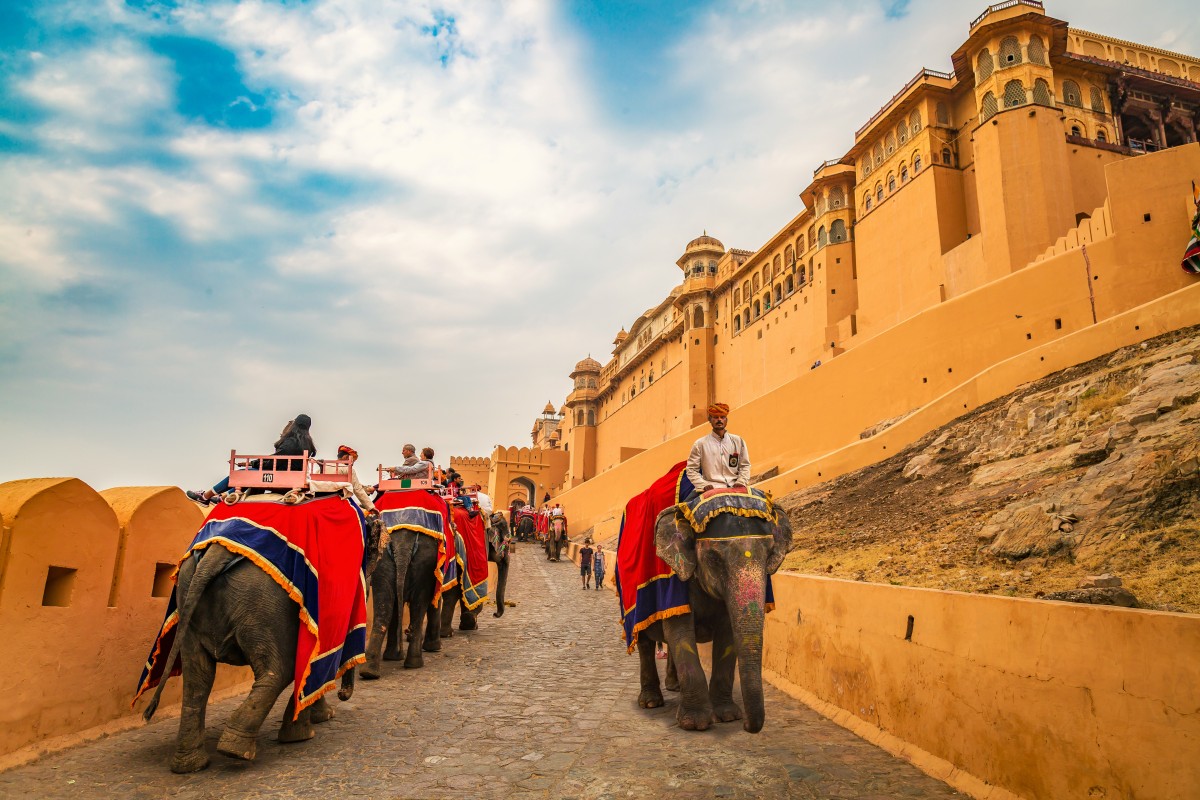
Amber Fort: Situated atop a hill overlooking Maota Lake, Amber Fort is a blend of Hindu and Mughal architectural influences, famous for its elaborate carvings, mirror work, and expansive courtyards. Elephant rides up the fort are a common delight for tourists, imparting a touch of royalty to the journey.
-
City Palace: Located in the center of Jaipur, City Palace is an imposing complex that fuses Mughal and Rajput architecture. The palace museum houses royal attire, weapons, manuscripts, and objects that tell the story of Jaipur's royal past.
-
Hawa Mahal: Known as the “Palace of Winds,” Hawa Mahal is a five-story structure with 953 small windows, designed to allow royal women to observe street life without being seen. Its latticework and unique pink façade make it one of Jaipur’s most photographed landmarks.
-
Jantar Mantar: A World Heritage Site by UNESCO, Jantar Mantar is a scientific observatory constructed by Maharaja Jai Singh II. It contains stunning instruments to calculate time, predict eclipses, and monitor celestial movements.
These architectural wonders are only testaments to Jaipur's regal heritage, but they also draw history buffs, photographers, and travel enthusiasts who appreciate culture and architecture.
Vibrant Culture and Festivals
Jaipur's culture is a vibrant showcase of Rajasthan's heritage. Jaipur is famous for its music, dance, art, and handicrafts, providing tourists with a rich cultural experience. Festivals in Jaipur are celebrated in a grand manner, attracting tourists from all over the world:
-
Jaipur Literature Festival: Organized every year, the festival welcomes writers, intellectuals, and book lovers from across the world. It has intellectual debates, workshops, and cultural events, turning Jaipur into a destination for literary tourism.
-
Teej Festival: Organized by women, Teej is a celebration of the monsoon season with traditional songs, dances, and colorful processions.
-
Gangaur Festival: Devoted to Goddess Parvati, Gangaur features beautifully adorned idols, folk events, and processions down the city roads.
-
Diwali and Holi: Jaipur is transformed during these festivals with rich decorations, fireworks, and cultural events, providing tourists with a never-to-forget sensory experience.
The traditional art forms of Ghoomar dance, Kachchhi Ghaghra, and block printing are also a part of routine life and festivals, enabling tourists to experience Rajasthan's living heritage.
Jaipur's Palaces and Architectural Splendor
Jaipur is a city of palaces, each having tales of royal dynasties, majesty, and art. Besides the City Palace and Amber Fort, there are several other monuments that fascinate tourists:
-
Jaigarh Fort: Overlooking Amber Fort, Jaigarh Fort is known for its massive cannon, Jaivana, and serves as a museum of historical artifacts.
-
Nahargarh Fort: Situated on the Aravalli hills, Nahargarh offers panoramic views of Jaipur city, especially enchanting at sunset.
-
Albert Hall Museum: Jaipur’s oldest museum displays paintings, sculptures, textiles, and artifacts from Rajasthan’s royal history.
-
Mubarak Mahal: One of the City Palace complexes, it contains beautiful royal outfits and displays Jaipur's craftsmen's artistic superiority.
Jaipur's architecture is a combination of Rajputana grandeur and Mughal refinement, expressed through balconies carved out, courtyards, and intricate patterns. The use of pink sandstone in most buildings lends the city an uniform look that enhances its status as the "Pink City."
Shopping and Handicrafts
Shopping in Jaipur is a treat by itself. Renowned for its traditional crafts, gemstones, and textiles, the city boasts a variety of products that speak of its artistic past.
-
Gemstones and Jewellery: Jaipur is renowned for precious and semi-precious stones. Visitors can buy beautifully crafted jewellery in gold, silver, and traditional Kundan or Meenakari form.
-
Textiles: Rajasthani block-printed textiles, bandhani sarees, and handloom fabrics are in demand with visitors looking for the real souvenirs.
-
Handicrafts: Blue pottery, leatherwork, wooden carvings, and miniatures reflect Jaipur's artistic heritage.
-
Markets: Bazaars like Johari Bazaar, Bapu Bazaar, and Tripolia Bazaar are perfect for old-school shopping. These bazaars are lively, colorful, and filled with local flavors, spices, and crafts.
Jaipur shopping provides tourists with more than souvenirs; it also provides a link with local artisans and the area's creative heritage.
Culinary Journey
Jaipur's food is an extension of its royal heritage and local cuisine. Traditional Rajasthani food is rich, spicy, and varied, providing a gastronomic experience for tourists:
-
Dal Baati Churma: A Rajasthani specialty consisting of baked wheat bread (baati), lentil soup (dal), and sweet crushed churma.
-
Laal Maas: A spicy mutton dish cooked in red chilies and fragrant spices, favorite of non-vegetarian travelers.
-
Ghevar and Ghewar-based Sweets: Classic sweets such as ghevar, balushahi, and rasgulla introduce the guest to the festive flavors of Jaipur.
-
Street Food: Street food snacks such as kachori, samosa, mirchi vada, and pyaaz ki kachori are ideal for getting a taste of the local flavors.
-
Thali Meals: Classic Rajasthani thalis include several dishes together, giving a healthy gastronomic experience.
Guests may have both street food and upscale dining experiences, relishing the original flavors of Jaipur when visiting the city.
Adventure and Excursions
Jaipur is not just about heritage and culture; adventure and leisure activities for tourists are also available:
-
Hot Air Ballooning: Fly over Jaipur's palaces, forts, and countryside in a hot air balloon, taking in stunning bird's eye views.
-
Camel Safaris: Ride camelback through desert scenery and rural villages, a true Rajasthani experience.
-
Trekking and Nature Walks: The Aravalli hills that surround Jaipur offer picturesque trekking routes and nature walks as part of eco-tourism.
-
Heritage Walks: Guided walks through ancient bazaars, havelis, and historical lanes assist tourists in experiencing Jaipur's history and present together.
Jaipur's adventure activities enable tourists to interact actively with nature, culture, and heritage, providing them with a dynamic and memorable experience.
Contemporary Jaipur
Though Jaipur's beauty is in its heritage, it is a city that is also cosmopolitan with modern amenities, luxury hotels, and lifestyle options. The city has progressed with urban development while retaining its cultural heritage:
-
Luxury Accommodations: Heritage hotels in palaces to five-star resorts of modern times, Jaipur has accommodations that combine comfort with tradition.
-
Cultural Centers and Museums: Places like Jawahar Kala Kendra and Birla Museum are centres that give information about art, culture, and history.
-
Urban Facilities: Contemporary shopping malls, restaurants, and cafes exist alongside traditional bazaars, providing visitors with convenience and authenticity.
This blending of the old and the new enables Jaipur to serve the varied needs of travelers, ranging from heritage lovers to contemporary travelers.
Jaipur's Connectivity and Accessibility
Jaipur is well linked by air, rail, and road, making it easily accessible from other major cities within India and abroad. The Jaipur International Airport has flights connecting to domestic destinations and some selected international destinations. Express trains and national highways also link the city, allowing ease of travel for visitors. In the city, taxis, auto-rickshaws, and local buses offer easy accessibility, allowing tourists to move around easily to visit Jaipur's myriad attractions.
Why Jaipur Must Be on Every Traveler's Agenda
Jaipur provides a unique blend of history, culture, architecture, food, adventure, and shopping. It attracts travelers with its:
-
Royal Heritage: Majestic palaces, forts, and havelis echo centuries of royalty.
-
Cultural Experiences: Festivals, dance, music, and art offer engaging immersion.
-
Culinary Delights: Classic Rajasthani cuisine and street food provide deep flavors.
-
Adventure Opportunities: Camel safaris, trekking, and hot air balloon rides provide thrill.
-
Colorful Shopping: Jewels, fabrics, handicrafts, and bazaars reflect the imagination of Jaipur.
-
Luxury Comforts: Heritage resorts and luxury hotels provide international-standard hospitality.
Jaipur has something to provide for history enthusiasts, adventure seekers, families, couples, and independent travelers.
Conclusion
Jaipur, the Pink City, is a place where the past meets the present. Its stunning forts, bustling bazaars, festive color, and royal cuisine blend to create a sense of timeless elegance. Walking along ancient streets, haggling over souvenirs, enjoying traditional cuisine, or trekking through the hills and desert dunes, tourists find themselves immersed in Jaipur's vibrant canvas of culture and heritage.
With its smooth integration of tradition and modernity, adventure and relaxation, Jaipur beckons visitors to explore India's royal heritage in its most authentic sense. The charm of the city is not just in its monuments and bazaars but also in the people and the warmth of hospitality, the colors and the vibrancy of its fairs and festivals, and the tales and legends infused into each street and palace. A visit to Jaipur is more than sightseeing—it is an immersive journey into India’s royal heart, offering memories that last a lifetime.